
Kingston Yard Waste Removal Services
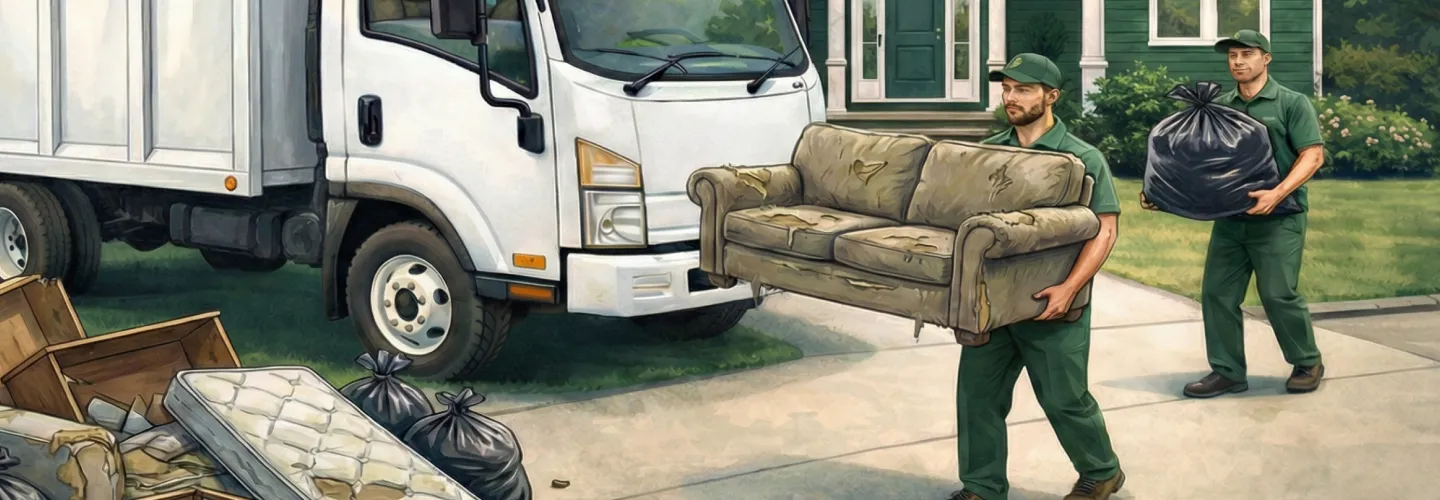
Choose our Yard Waste Removal for fast, eco-friendly service that keeps your property spotless and your weekends stress-free—let us handle the mess so you can enjoy your outdoor space.
Get a Free QuoteOur Kingston Junk Removal Services
Yard Waste Removal in Kingston, MA – Local Service Guide
Managing yard waste in Kingston, MA is a seasonal necessity, especially in neighborhoods like Indian Pond Estates and Rocky Nook, where mature trees and large lots generate significant debris. Spring and fall cleanups are common triggers, as residents clear leaves, branches, and storm debris. Local property owners often face challenges with access due to narrow driveways or wet conditions after heavy rains. For residential spaces, regular yard waste removal helps prevent flooding in low-lying areas and keeps properties looking their best. Commercial clients in Kingston’s business districts, such as Independence Mall, require timely and discreet removal to maintain curb appeal and meet operational needs. Specialty projects—like estate cleanouts or post-construction debris—demand careful planning and coordination, especially when handling large volumes or restricted access. Kingston offers several disposal and recycling options, but it’s important to follow local guidelines for sorting and scheduling. For up-to-date information on yard waste rules and resources, visit the official Kingston town website.
Benefits of Yard Waste Removal in Kingston
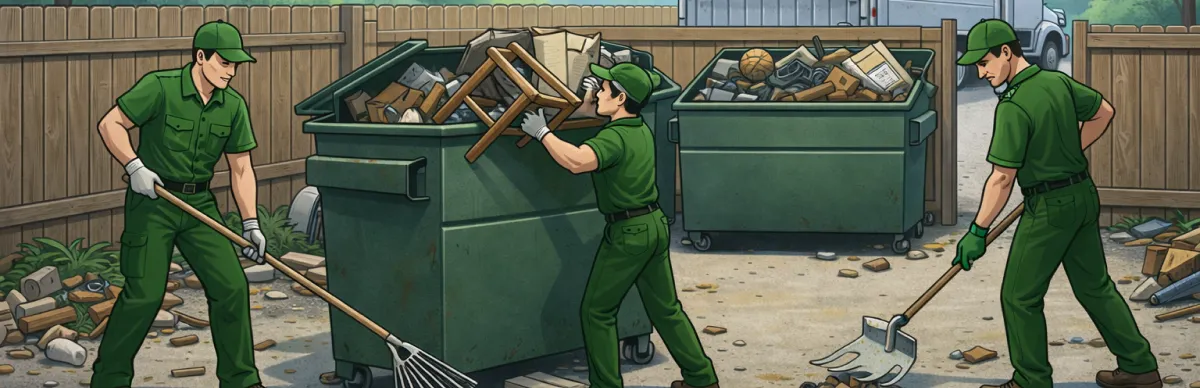
Fast Yard Waste Pickup
Eco-Friendly Disposal
Affordable Yard Waste Removal
Licensed and Insured Team
Flexible Scheduling Options
Comprehensive Cleanup Services
Coordinating Yard Waste Removal with Kingston’s Department of Public Works
Proper yard waste removal in Kingston, MA is managed through the Department of Public Works (DPW), which oversees curbside collection and transfer station operations. Residents must adhere to the town’s collection schedule, typically running from April through November, with pickups occurring every other week. Yard waste must be placed in biodegradable paper bags or open barrels (no plastic bags permitted) and set curbside by 7:00 AM on collection days. Accepted materials include grass clippings, leaves, and small branches (less than 4 feet in length and 4 inches in diameter). Larger branches and stumps require self-hauling to the Kingston Transfer Station, where a valid resident permit is necessary. Disposal fees may apply for oversized loads or non-residential waste. Failure to comply with preparation guidelines can result in non-collection or code violations. For up-to-date schedules and permit information, consult the DPW’s official resources.
Department of Public Works
26 Evergreen Street, Kingston, MA 02364
Phone: (781) 585-0517
Official Website: Department of Public Works
- Biodegradable bags or open barrels required (no plastic)
- Curbside collection April–November, every other week
- Branches: max 4 feet long, 4 inches diameter
- Transfer station access with resident permit
- Fees for oversized or commercial loads
Kingston’s Yard Waste Disposal Regulations and Environmental Compliance
Kingston enforces strict yard waste disposal regulations to comply with Massachusetts’ Solid Waste Management Act and landfill bans. Yard waste—including leaves, grass, and brush—is prohibited from landfill disposal and must be composted or processed at approved facilities. Residents are required to separate yard waste from household trash and recycling. The town’s transfer station accepts yard waste for composting, but prohibits the inclusion of rocks, dirt, or plastic debris. Commercial landscapers must register with the DPW and may be subject to additional fees and reporting requirements. Violations of disposal rules can result in fines ranging from $50 to $200 per incident. The town encourages residents to participate in seasonal composting workshops and to utilize mulch and compost produced from collected yard waste. For hazardous materials or invasive plant species, special handling and disposal instructions are provided by the DPW.
Massachusetts Department of Environmental Protection
One Winter Street, Boston, MA 02108
Phone: (617) 292-5500
Official Website: Massachusetts Department of Environmental Protection
- Yard waste banned from landfills under state law
- Composting required for leaves, grass, brush
- No rocks, dirt, or plastic in yard waste loads
- Commercial haulers must register with DPW
- Fines for improper disposal: $50–$200
Permit and Access Requirements for Yard Waste Drop-Off in Kingston
Access to Kingston’s transfer station for yard waste drop-off requires a valid resident permit, which can be obtained at Town Hall or online through the city’s website. Permits are issued annually and must be displayed on the vehicle’s windshield. The transfer station operates Monday through Saturday, 7:00 AM to 5:00 PM, and is closed on Sundays and major holidays. Residents must present proof of residency (driver’s license or utility bill) when applying for a permit. Commercial vehicles and trailers may be subject to additional inspection and higher disposal fees. The facility enforces strict access controls, including weight and volume limits for each load (typically 2 cubic yards per visit for residential users). For large-scale yard cleanups or storm debris, advance notification to the DPW is required. Parking and traffic flow at the transfer station are regulated to ensure safety and efficiency.
Building Department
26 Evergreen Street, Kingston, MA 02364
Phone: (781) 585-0517
Official Website: Building Department
- Resident permit required for transfer station access
- Hours: Mon–Sat, 7:00 AM–5:00 PM
- Proof of residency needed for permit
- 2 cubic yard limit per visit (residential)
- Commercial vehicles: higher fees, inspection
Recycling and Composting Mandates for Yard Waste in Kingston
Kingston’s yard waste recycling program is designed to divert organic material from landfills and promote environmental sustainability. All yard waste collected curbside or at the transfer station is processed into mulch and compost, which is made available to residents for landscaping use. The town prohibits the disposal of yard waste in regular trash, in accordance with the Massachusetts landfill ban on organics. Residents are encouraged to participate in the town’s annual compost bin sale and to utilize backyard composting methods. The DPW provides educational resources on proper composting techniques and hosts seasonal drop-off events for large volumes of yard debris. Contaminated loads (containing plastic, trash, or non-organic material) are rejected and may incur additional handling fees. The town also partners with local environmental organizations to promote yard waste reduction and sustainable landscaping practices.
Parks & Recreation Department
33 Summer Street, Kingston, MA 02364
Phone: (781) 585-0533
Official Website: Parks & Recreation Department
- Yard waste must be recycled or composted
- Compost and mulch available to residents
- Annual compost bin sale and workshops
- Contaminated loads incur extra fees
- Partnerships for sustainable landscaping
What Neighborhoods Do We Serve Throughout Kingston, MA?
- Rocky Nook: This coastal neighborhood features older homes with small yards and narrow streets, requiring careful scheduling for yard waste pickup and smaller collection vehicles for access.
- Indian Pond: Large residential lots and newer developments here generate significant yard debris, making transfer station access and volume limits especially relevant for seasonal cleanups.
- Kingston Center: Historic properties and mixed-use buildings in the town center may face parking constraints and require advance notification for bulk yard waste drop-offs.
- Jones River Village: Tree-lined streets and mature landscaping result in high volumes of leaves and branches, with residents often utilizing curbside collection and composting programs.
- Tarkiln: Rural characteristics and longer driveways necessitate resident permits for transfer station use and may require additional planning for large debris removal.
- Gray’s Beach: Proximity to wetlands and conservation areas means special attention to invasive species disposal and adherence to environmental protection guidelines.
- Smiths Lane Area: Suburban homes with HOA oversight may have additional restrictions on yard waste storage and require compliance with community landscaping standards.